บรูทาลิสต์ที่กล้าหาญ
สร้างสรรค์
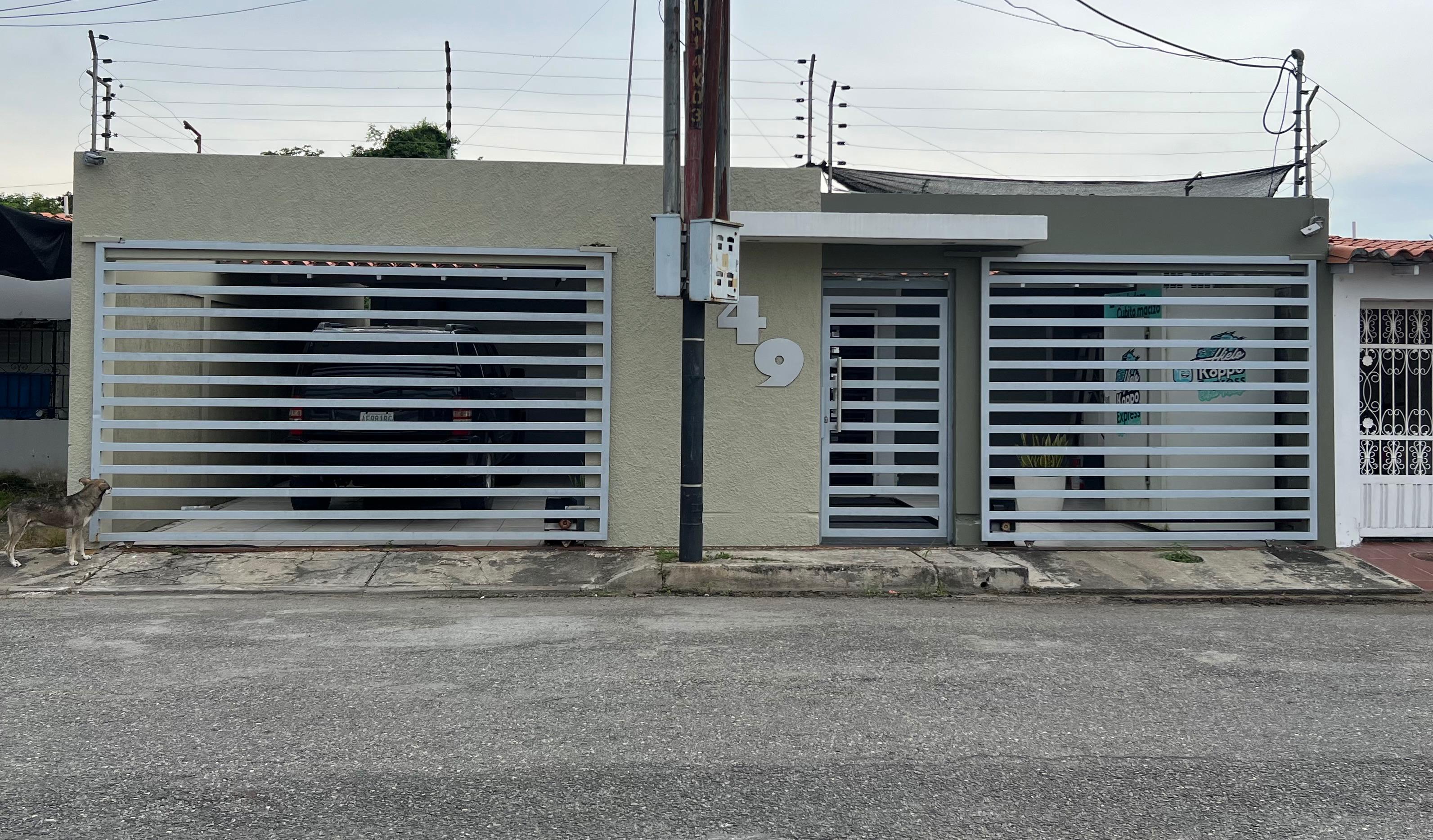
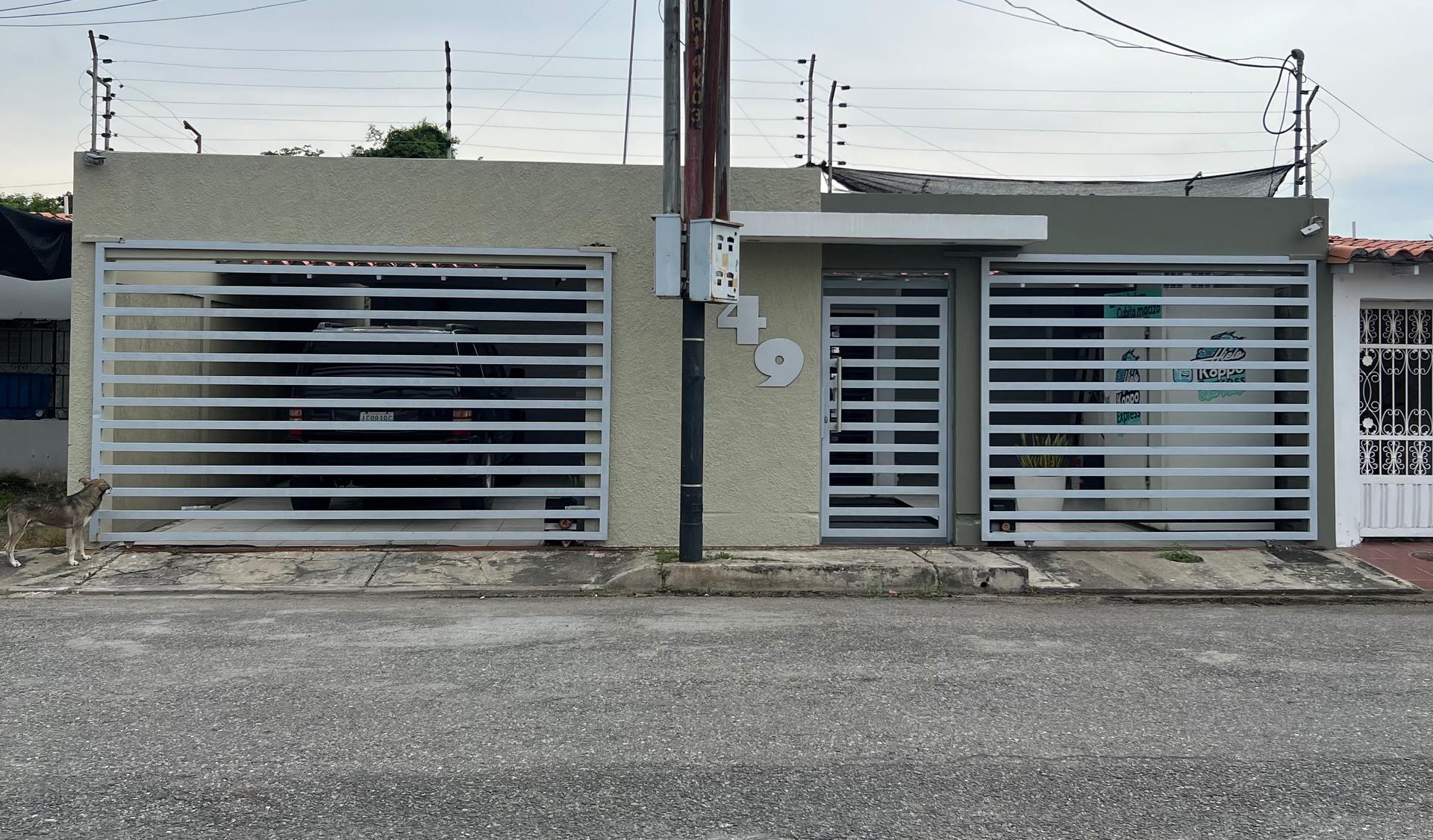

An incredibly lifelike, richly detailed, photorealistic **architectural photo** of a **single-family home** with **bold Brutalist** influences, set in a somewhat overcast suburban environment. The scene is illuminated by muted, diffused daylight, creating a slightly somber and utilitarian atmosphere. Captured with a wide-angle lens, emphasizing sharp lines and hard surfaces, with a focus on the interplay of concrete, metal, and rendered walls. The building presents a solid, imposing facade, characteristic of Brutalist design. The primary material appears to be poured-in-place concrete, evident in the rough texture of some wall sections and the robust structure. This is contrasted with smoothly rendered sections painted in a light, neutral beige, offering a softer, yet still substantial, appearance. Angularity and monolithic forms dominate, with large, unadorned planes and minimal ornamentation. Metal screens, arranged in a repetitive horizontal slat pattern, act as prominent design elements. These screens, in a light grey, cover both the garage entrance and a main pedestrian entryway, offering a sense of security and a visual counterpoint to the solid walls. The garage screen is wide, revealing the dark silhouette of a vehicle within, suggesting a private residence. The pedestrian entrance is narrower, with a modern, minimalist door and a large house number "49" in a bold, geometric font, mounted on the beige wall. The setting appears to be a street in a developed area, indicated by the asphalt road in the foreground and the utility pole positioned directly in front of the house. Overhead, power lines crisscross the sky, reinforcing the urban context. A dog, appearing somewhat weathered, stands alert on the concrete walkway bordering the property, adding a touch of life and perhaps a slight sense of vulnerability to the scene. The sky is cloudy, suggesting it might be late afternoon or early morning, or simply a day with persistent cloud cover. The building's security is further emphasized by the electric fence topping the walls, a common feature in some regions, and a visible security camera near the roofline. The composition is centered on the main facade. The house itself occupies the majority of the frame, with the street and sidewalk in the lower third. The scale feels human-centric in its immediate elements, like doors and windows, but the overall massing and the use of robust materials convey a sense of permanence and strength. To the right, a sliver of an adjacent property is visible, featuring a more traditional, decorative wrought-iron gate, which starkly contrasts with the modern, minimalist aesthetic of the Brutalist home. The landscaping is minimal, with only a small patch of grass and a potted plant visible near the pedestrian entrance and a larger plant visible through the right-hand gate. The overall impression is one of functional strength and deliberate design, prioritizing form and material honesty, even if softened slightly by rendered surfaces and contrasting metal elements.